Übergordnete Werke und Veranstaltungen

(11) Atomteller
Personen
Media

Atomteller, Andree Weißert, Mia Grau
© Werkleitz 2026

Atomteller, Andree Weißert, Mia Grau
© Andree Weißert, Mia Grau 2015

Atomteller, Andree Weißert, Mia Grau
© Andree Weißert, Mia Grau 2015
Atomteller Brokdorf, Mühlheim-Kärlich und Rheinsberg, Andree Weißert, Mia Grau
© Andree Weißert, Mia Grau, 2015
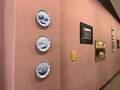
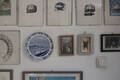

Andree Weißert developed the plates together with his partner Mia Grau around 11 years ago. At the time, they were exploring the concept of ‘futurnostalgia’ and asking themselves how nostalgia arises. Since then, Germany has phased out nuclear power, and the debate on the civil (and military) use of nuclear energy has undergone several highly polarising shifts – in this debate, the nuclear plates have indeed become a symbol, have illustrated many media reports on the subject, have been exhibited, purchased by museums, and have even found a place in academia and heritage conservation. In these plates, we witness the passage of time. Wall plates symbolise home, idyll, nostalgia, and windmills in Delft blue. What windmills once were, nuclear power stations are today: energy structures. Their iconic silhouettes shape the landscape and, with it, our image of home. As cathedrals of a technological worldview, they promised independence and endless growth. They bear witness to their era, relics of progress and signs of a turning point in history. The days of the windmills are long gone, and now twilight is falling over the era of German nuclear power. It is therefore high time to show nuclear power stations for what they are: monuments to error – yesterday’s hope – tomorrow’s folklore.