PROPERTY OF THE PEOPLE OF HALLE
Personen
Media
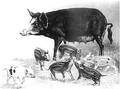
Museum für Haustierkunde "Julius Kühn"\nFerkel aus der Kreuzung Wildschwein mit Hausschwein (Bündener)\nAquarell von Karl Wagner (1894)
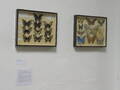
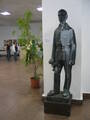
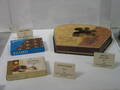
A city’s collections and archives form part of its collective memory and self-image. In doing so, they often reflect not so much concrete history or scholarship as the social conditions in which they were created. In a city like Halle, which has been part of several such collective social conditions over the centuries and particularly in the last one, this should be evident in its collections of images and materials. This is the underlying idea behind this overview of the museums and libraries in Halle.
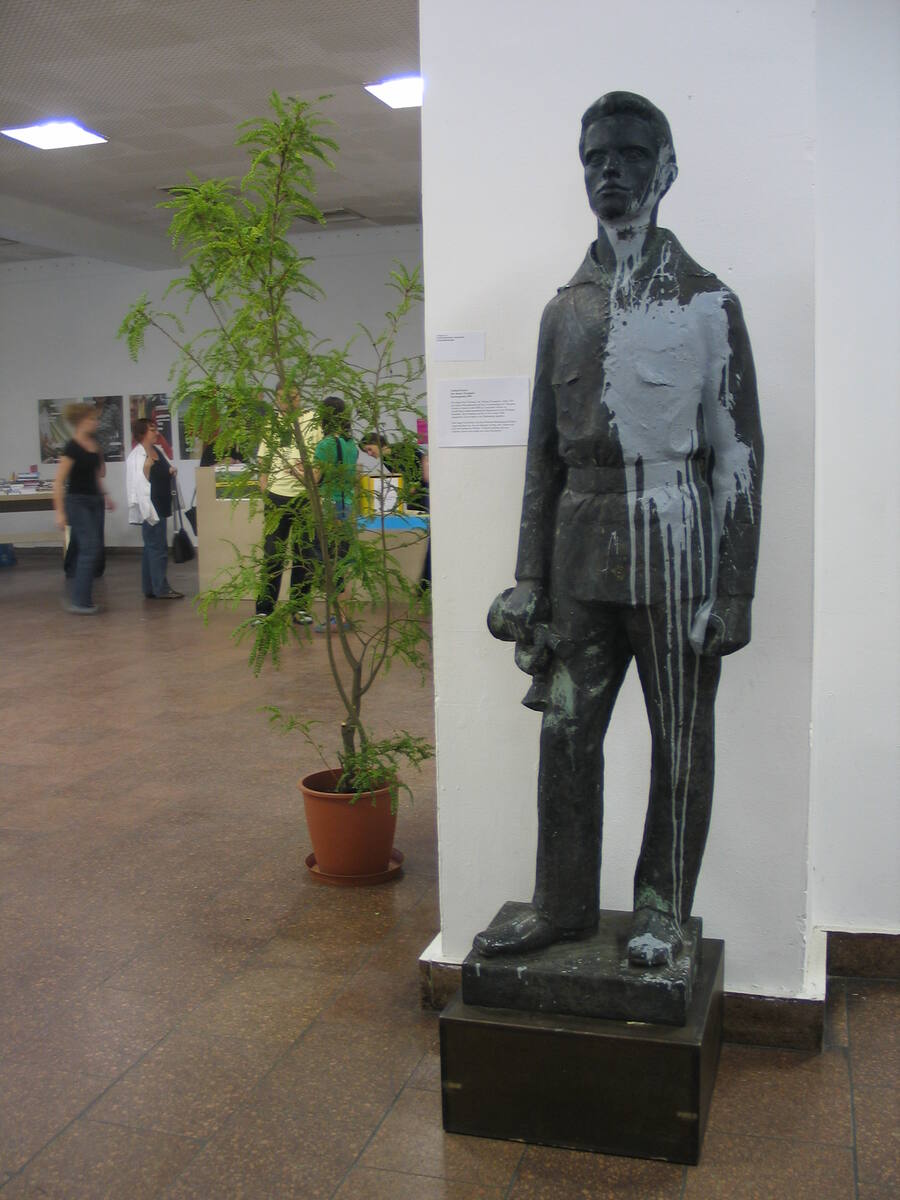
Common Property of the People, because – and this is the point – these collections are, in a wide variety of ways, supported by the local community and thus, materially, by everyone, be it, as in the case of the Beatles Museum, through the provision of a building. At the same time, the city is attempting to use the potential of its museums to consolidate Halle’s status as a city of culture. Some of these collections are highlighted more than others. Some collections are barely accessible to the public anymore, such as the Marienbibliothek or the Robertinum; others are planning a new build or extension; yet others, such as the Museum of Revolutionary Workers or the Traditionskabinett in the Volkspark, were closed and dissolved long ago.
Is the claim that these collections belong to everyone cynical? Rather, it highlights the position that academic work occupies in relation to so-called ‘intellectual common property’. The bulk of the production of this intellectual property is financed and supported by everyone, whether through the maintenance of universities and their staff, or through R&D expenditure and research and development budgets awarded directly to companies as state subsidies. Does this come back as social progress? Certainly not through heavily funded commissions that support ageing managers so that they can extend their business concepts to the state.
Furthermore, however, when this research takes on a product form—for example, in the form of a book or an industrial patent—it is, strangely enough, recognised by almost everyone solely in its commodity form and no longer in its processual nature. Thus, museums too appear as an accumulation of material goods rather than as the results of a societal act of collecting and preserving.
Are these collections what we all want, that is to say, are they the creation of symbols that belong to everyone, as the Situationist International once put it as a revolutionary goal?
The point made in this section of the exhibition may also lie in the social characteristic inherent in museums: by deliberately distancing themselves somewhat from themselves, they grant themselves a sentimental amnesty. And so history appears as though one were merely at the mercy of its objectivity, rather than as though one had made it oneself.
The individual collections present themselves in this overview, and this section of the exhibition owes its existence above all to the great willingness of those involved in the museums, to whom we would also like to express our heartfelt thanks here. A.M.
Participating museums and collections:
- Beatles Museum
- Botanical Garden
- Christian Wolf House
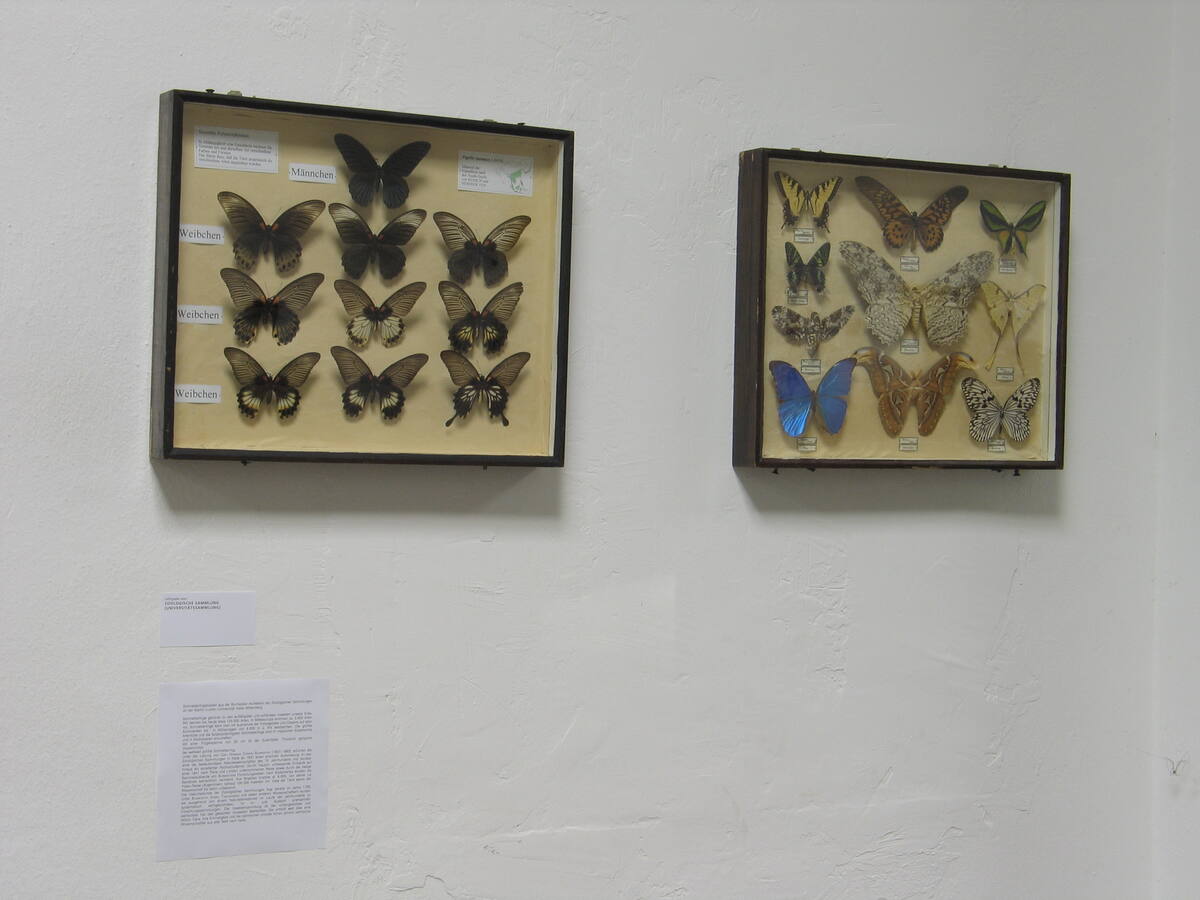
- Francke Foundations (Cabinet of Curiosities)
- Geiseltal Museum
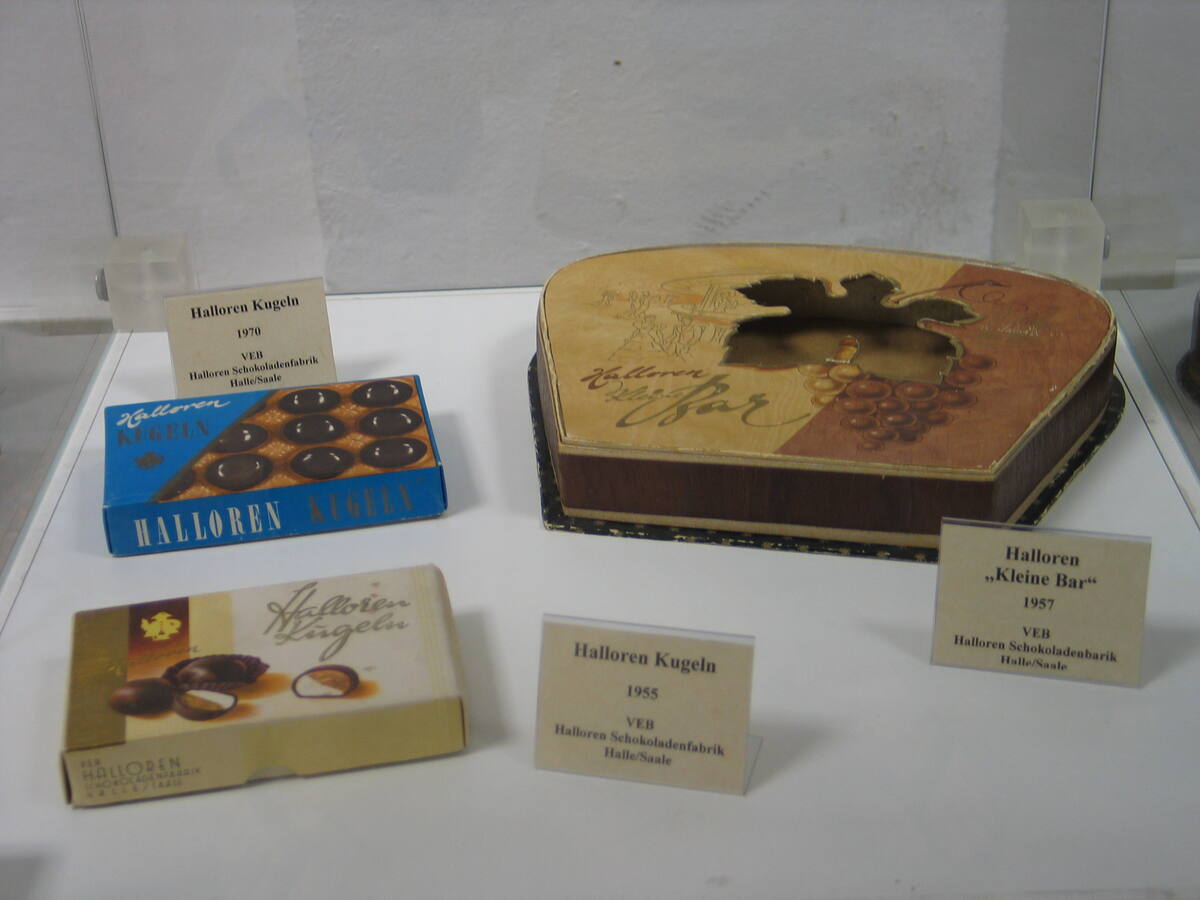
- Halloren Chocolate Museum
- Handel House
- State Office for the Preservation of Historical Monuments and Archaeology – State Museum of Prehistory – Saxony-Anhalt
- Cabinet of Prints
- Marienbibliothek
- Julius Kühn Museum of Domestic Animals
- Phonetic Collection
- Robertinum
- Glaucha Shooting Range
- Moritzburg Foundation – Saxony-Anhalt State Art Museum
- Zoological Collection